Principales materiales para piezas de estampado de metal Qué elegir en 2026
Eliges los mejores metales para fabricar piezas de estampado metálico: acero al carbono y laminado en frío, acero inoxidable, aleaciones de aluminio, cobre, latón y titanio.Jiaxinevalúa sistemáticamente materiales esenciales mediante la relación resistencia-peso, conformabilidad, resistencia a la corrosión, capacidad de embutición profunda y costos unitarios de producción. Este enfoque de ingeniería directo optimiza la calidad general de los metales seleccionados en tus proyectos de estampado metálico.
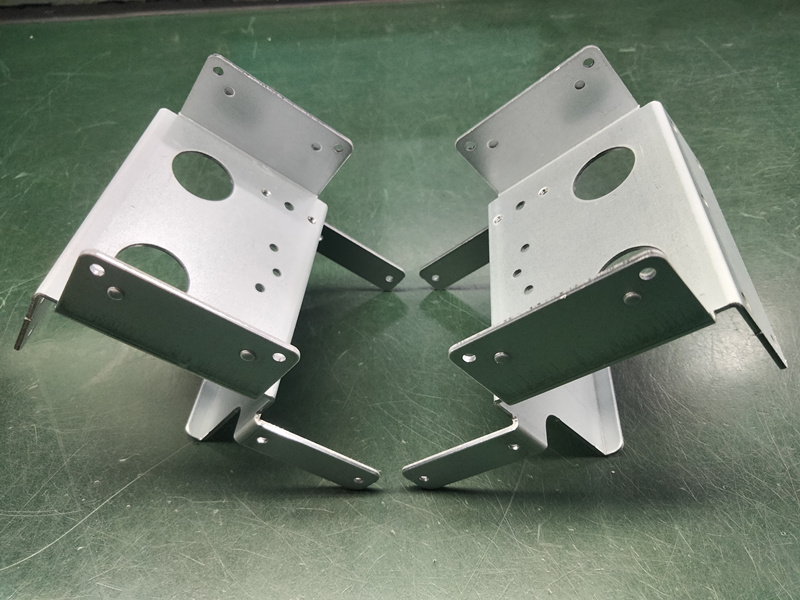
Eliges los mejores metales para producir piezas de chapa metálica de alta calidad para fabricación de gran volumen. Seleccionar los materiales correctos para el estampado garantiza una conformabilidad óptima y un rendimiento a largo plazo en diversos entornos operativos. Se prevé que los metales de bajo espesor con un grosor de 2,5 mm o menos capturen una cuota de mercado dominante del 41,64 % para 2026, impulsados por componentes automotrices y electrónicos compactos. La producción de alta precisión depende de metales adecuados para minimizar los desperdicios y mejorar la eficiencia estructural.
El acero bajo en carbono ofrece una opción rentable para piezas de estampado metálico de gran volumen. Este metal proporciona un rango de límite elástico de 200–350 MPa y un rango de resistencia a la tracción de 350–550 MPa. Aproximadamente el 61 % de los fabricantes automotrices adoptan tubos de acero ligeros en componentes como tubos de accionamiento de techos solares. Logras una alta durabilidad en los procesos de estampado metálico. El acero laminado en frío ofrece una calidad superficial superior en comparación con el acero laminado en caliente. El acero laminado en caliente presenta cascarilla de laminación con un rango de tolerancia superficial entre ±0,5 mm y ±1,0 mm. El laminado en frío proporciona un acabado suave con un rango de tolerancia estrecho entre ±0,1 mm y ±0,3 mm. Seleccionas acero laminado en frío para componentes de estampado metálico de precisión que requieren tolerancias estrictas de calibre.
El acero inoxidable y las aleaciones de aluminio ofrecen una resistencia excepcional a la corrosión y un alto atractivo estético. El acero inoxidable de grado 304 presenta una composición equilibrada de cromo y níquel. Seleccionas el grado 304 para estampado metálico por embutición profunda porque soporta formas complejas sin agrietarse. El grado 316 incorpora un 2–3 % de molibdeno para proteger los componentes contra picaduras severas por cloruros. Las aleaciones de aluminio proporcionan capacidad ligera para componentes modernos. La aleación de aluminio 5052 presenta una relación límite de embutición entre 2,0 y 2,5 en estado O. Utilizas la aleación 5052 para paneles de puertas de automóviles embutidos profundamente debido a su bajo costo de procesamiento. La aleación de aluminio 6061 ofrece un alto rendimiento estructural para paneles automotrices portantes. La aplicación de tratamientos de anodizado, galvanoplastia o recubrimiento en polvo mejora aún más los acabados estéticos y la protección contra la corrosión en piezas de aluminio durante el estampado metálico.
Los metales conductores y especializados impulsan aplicaciones modernas en los sectores aeroespacial y electrónico. Aproximadamente el 58 % de los fabricantes de conectores eléctricos eligen aleaciones de cobre para maximizar el rendimiento eléctrico. Seleccionas metales de latón y cobre para conectores eléctricos, blindajes EMI y barras colectoras en estampado metálico de precisión. La producción aeroespacial exige metales resistentes capaces de soportar condiciones operativas extremas. El titanio de grado 5 ofrece un alto rendimiento mecánico, pero el elevado esfuerzo de fluencia que alcanza 880 MPa limita la ductilidad a temperatura ambiente. Los ingenieros utilizan estampado metálico en caliente entre 825–875 °C para formar titanio de grado 5 en soportes de estructuras aeronáuticas. Este proceso reduce el esfuerzo de fluencia y mejora el radio mínimo de curvatura hasta aproximadamente 1x el espesor. Seleccionar los mejores metales garantiza que tu operación de estampado metálico mantenga la integridad estructural bajo cargas térmicas severas utilizando los metales adecuados.
Equilibras el presupuesto y la resistencia evaluando las principales familias de aleaciones y metales industriales. El acero al carbono ofrece el nivel de costo relativo más bajo. Las aleaciones ligeras ocupan un nivel de costo bajo a medio, mientras que las opciones de acero inoxidable se sitúan en un nivel medio a alto. El latón representa la opción más costosa entre los metales estándar.
|
Tipo de metal |
Nivel de costo relativo |
Característica clave de rendimiento |
Objetivo de aplicación típico |
|---|---|---|---|
|
Bajo en carbono |
Más bajo |
Aleación estructural económica |
Soportes automotrices |
|
Aluminio |
Bajo–medio |
Alta relación resistencia-peso |
Paneles de vehículos ligeros |
|
Acero inoxidable |
Medio–alto |
Excelente resistencia a la corrosión |
Componentes aeroespaciales |
|
Latón |
Alto |
Resistencia superior al desgaste |
Accesorios de ferretería |
Evalúas los procesos de estampado metálico por embutición profunda utilizando métricas precisas. Los ingenieros mantienen estrictas tolerancias de espesor dentro de ±0,02 mm para evitar el desgarro del material. La conformación óptima requiere una relación límite elástico-resistencia a la tracción cercana a 0,6 y un valor r de anisotropía superior a 1,5.
Adaptas los metales seleccionados a los entornos operativos para lograr una larga vida útil. La alta humedad y el contacto con productos químicos requieren recubrimientos avanzados como el acero ZAM. Este recubrimiento especializado de aleación de zinc-magnesio proporciona una protección superior contra el óxido en comparación con las opciones galvanizadas estándar.
Los metales recubiertos utilizan propiedades de autorreparación en los bordes para sellar automáticamente los cortes expuestos. Proteges piezas críticas de chapa metálica contra vapores químicos agresivos y humedad. Seleccionar láminas recubiertas de alta durabilidad reduce los gastos generales mientras preserva la integridad estructural.
Aprovechas la consulta temprana de ingeniería de Jiaxin para optimizar tu proyecto de estampado metálico. La orientación experta perfecciona la geometría de los componentes y establece radios de curvatura adecuados. Las decisiones de diseño correctas minimizan los desperdicios y prolongan significativamente la vida útil de las herramientas durante la fabricación.
Los ingenieros de Jiaxin establecen las holguras correctas de la matriz para garantizar una liberación fluida de los componentes. Usted evita el desgaste prematuro de las herramientas y reduce los costos de mantenimiento durante las series de producción de piezas de estampado de metal. La consulta directa agiliza el flujo de materiales para todos los materiales de estampado utilizando metales adecuados.
Usted selecciona acero al carbono para lograr eficiencia de costos, aluminio para bajo peso, aleaciones inoxidables para durabilidad y cobre para alta conductividad. La combinación de metales óptimos mejora el rendimiento del producto.
Colabore con Jiaxin para obtener orientación temprana de diseño, prototipos y piezas de estampado de metal de alto volumen. Nuestro equipo de ingeniería perfecciona con éxito su proyecto personalizado de estampado de metal.
Usted logra la máxima eficiencia de costos al elegir acero con bajo contenido de carbono. Esta aleación admite estructuras económicas Piezas de estampado de metal mientras mantiene una excelente conformabilidad durante grandes series de fabricación.
Usted selecciona acero inoxidable Grado 304 o aluminio 5052 para el estampado de metal mediante embutición profunda. Estas opciones soportan formas complejas sin agrietarse durante el procesamiento.
Usted obtiene soporte temprano de Soporte de estampado de metal por parte de los ingenieros de Jiaxin. Nuestro equipo técnico perfecciona la geometría de los componentes y selecciona metales adecuados como Piezas de estampado de metal SGCC para extender la vida útil de las herramientas.
Categorías
último blog
 33#Building Huli Industrial Zones, Meixi Road, Xike Town, Tong'an Area, Xiamen,China


© Derechos de autor: 2026 Jiaxin (Xiamen) Precise Metal Co.,Ltd. Reservados todos los derechos

IPv6 red apoyada
Escanear a wechat

 español