qué causa el mal contacto y el sobrecalentamiento en los terminales eléctricos
Principio fundamental: resistencia de contacto excesiva
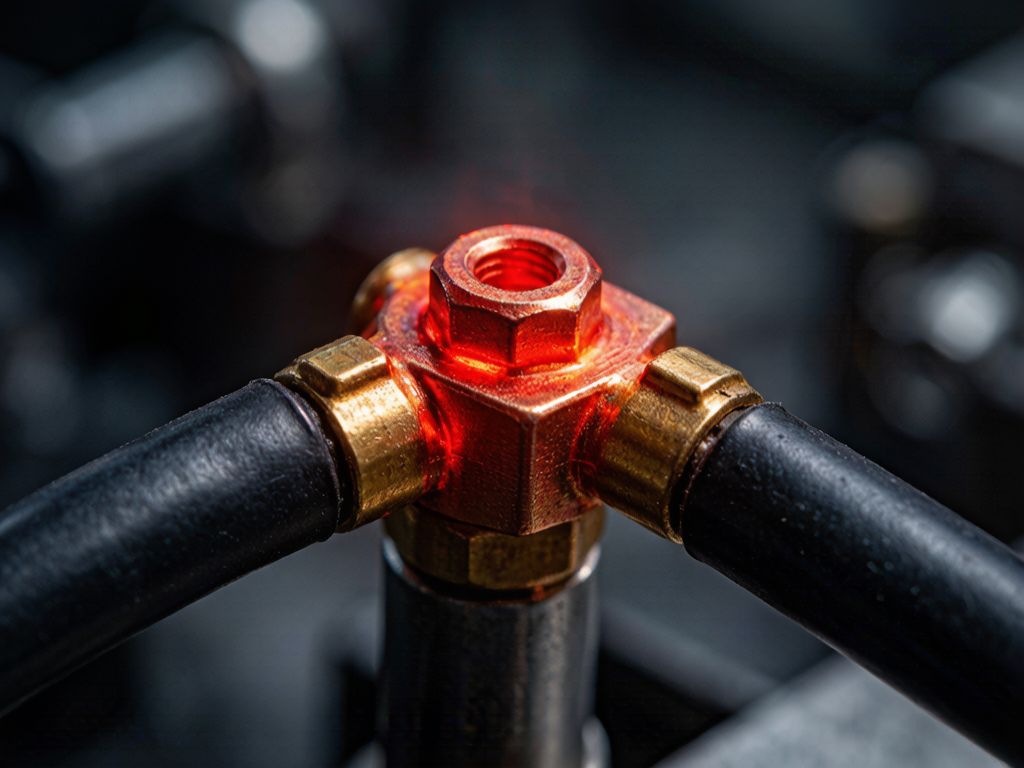
El sobrecalentamiento de los terminales se debe fundamentalmente a una resistencia de contacto anormalmente alta. Según la ley de Joule, una alta resistencia genera un calor considerable cuando pasa la corriente. Una vez que la superficie de contacto del terminal no encaja firmemente, la resistencia aumenta de forma brusca, formando un círculo vicioso: acumulación de calor → aumento de la resistencia → sobrecalentamiento más grave, y finalmente quemado del terminal o formación de arco eléctrico.
Mal diseño del producto y materiales de baja calidad
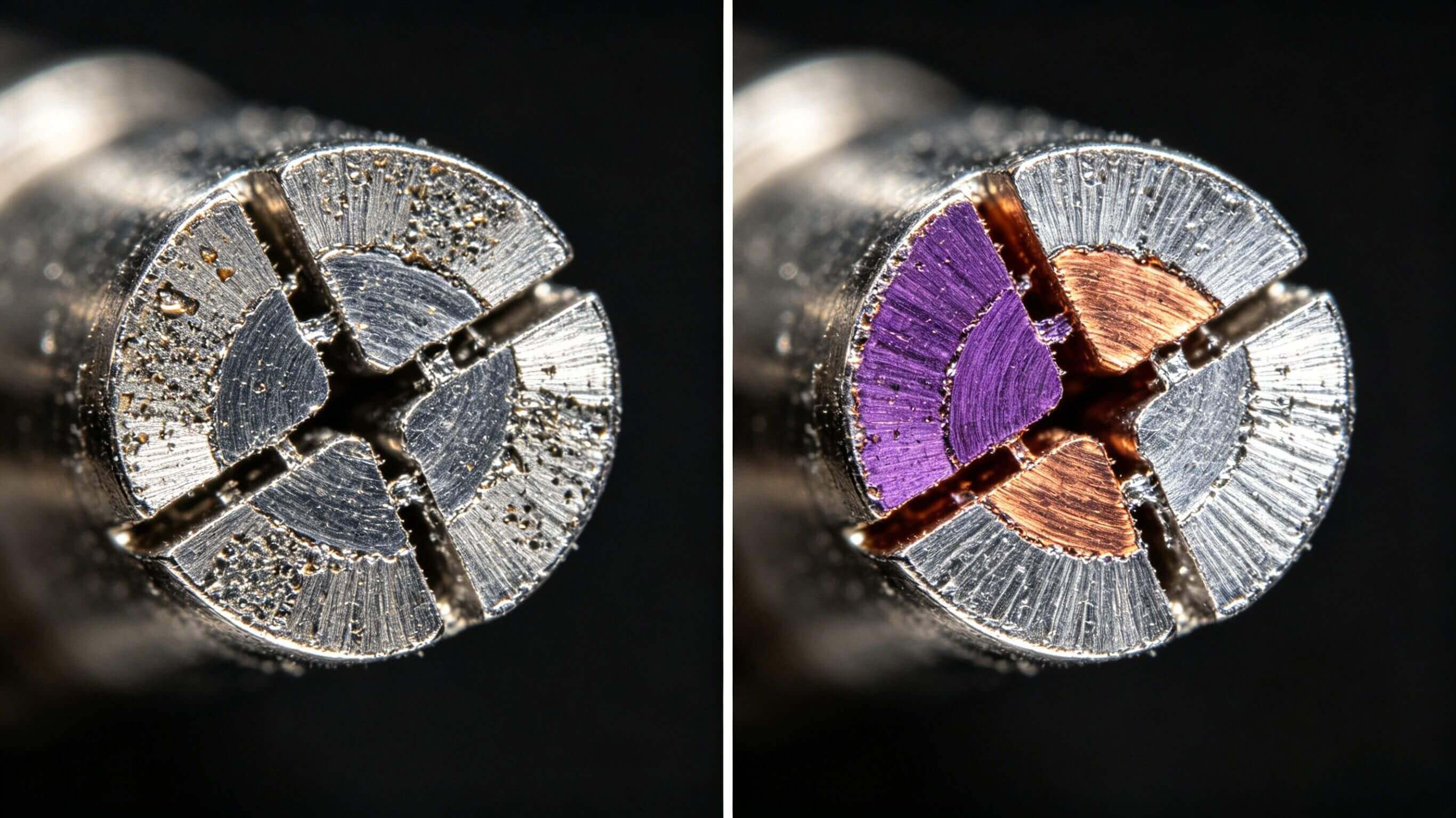
El diseño de terminales no conforme y los materiales de materia prima deficientes son causas inherentes del sobrecalentamiento:
- Especificaciones no coincidentes: el uso de terminales de tamaño insuficiente para cargas de alta corriente conduce a un área de contacto insuficiente y a una densidad de corriente excesiva.
- Materiales conductores de baja calidad: el cobre impuro o el recubrimiento electrolítico no conforme provoca mala conductividad y fácil oxidación.
- Estructura inadecuada: el contacto puntual en lugar del contacto superficial genera puntos calientes locales y una transmisión de corriente desigual.
Problemas de instalación no estándar
La instalación incorrecta es la principal causa de fallas de mal contacto en el sitio:
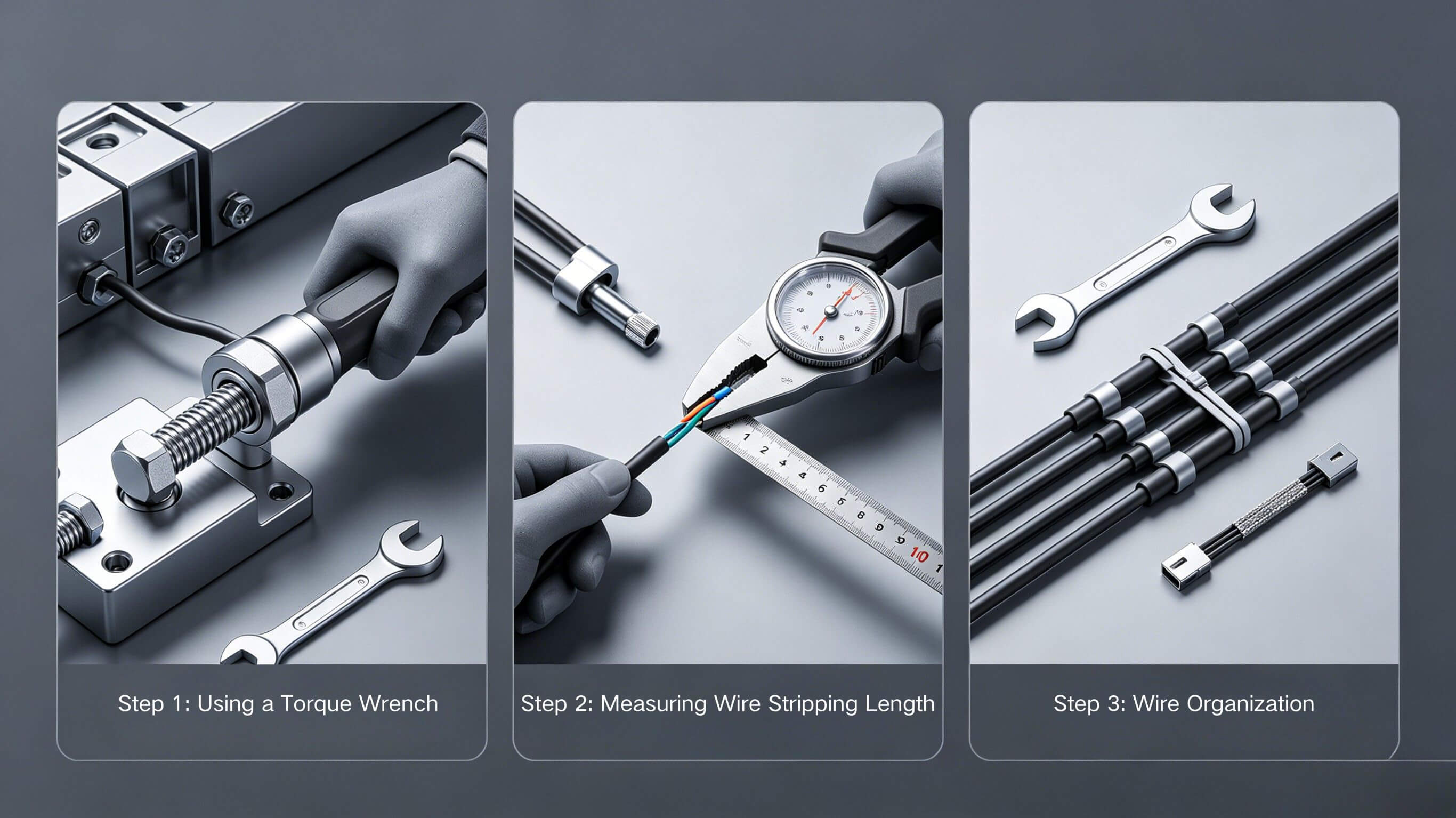
- Par de apriete incorrecto de los pernos: un par flojo provoca espacios entre contactos; un par excesivo aplasta los hilos del cable y daña los terminales.
- Procesamiento irregular del cableado: conductores trenzados desordenados, longitud de pelado inadecuada y engarzado de múltiples cables reducen el área de contacto efectiva.
- Superficie de contacto sucia: polvo, aceite y capas de óxido durante la instalación aíslan los contactos metálicos y aumentan la resistencia.
Factores ambientales y de envejecimiento operativo
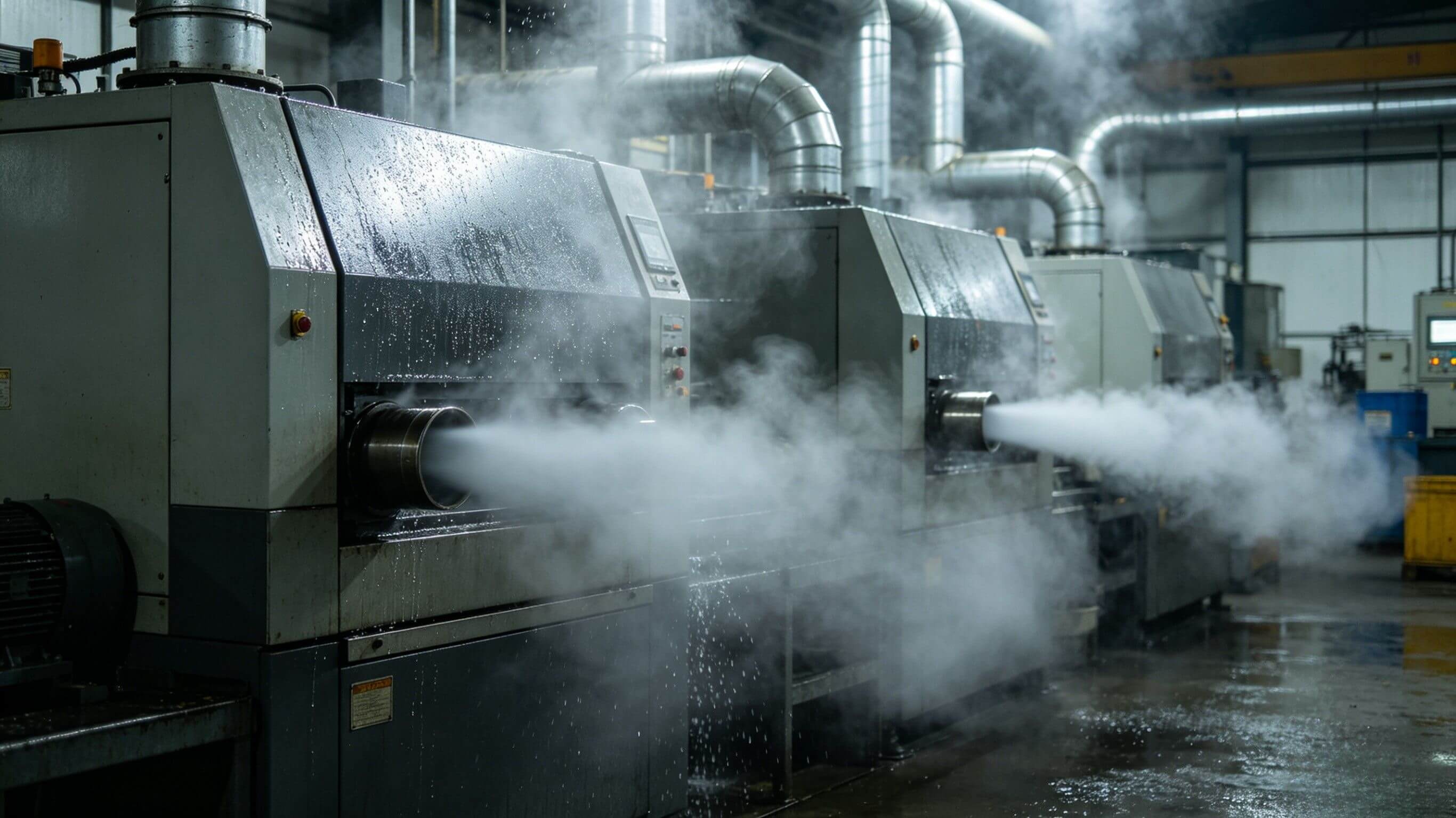
El funcionamiento a largo plazo deteriorará gradualmente el rendimiento de contacto de los terminales:
- Vibración y ciclos térmicos: la vibración del equipo y la repetida expansión y contracción por temperatura aflojan los pernos de los terminales con el tiempo.
- Corrosión y oxidación: la humedad, la niebla salina y la corrosión química forman capas de óxido de alta resistencia en las superficies de contacto.
- Sobrecarga a largo plazo: el funcionamiento con sobrecorriente sostenida supera el límite de disipación térmica del terminal y acelera el envejecimiento.
Soluciones efectivas de prevención
Para evitar el mal contacto y el sobrecalentamiento de los terminales, las empresas pueden adoptar medidas específicas:
- Seleccionar terminales eléctricos de alta precisión y alta conductividad con especificaciones completas de corriente nominal.
- Estandarizar el proceso de instalación y seguir estrictamente los requisitos de par de apriete estándar.
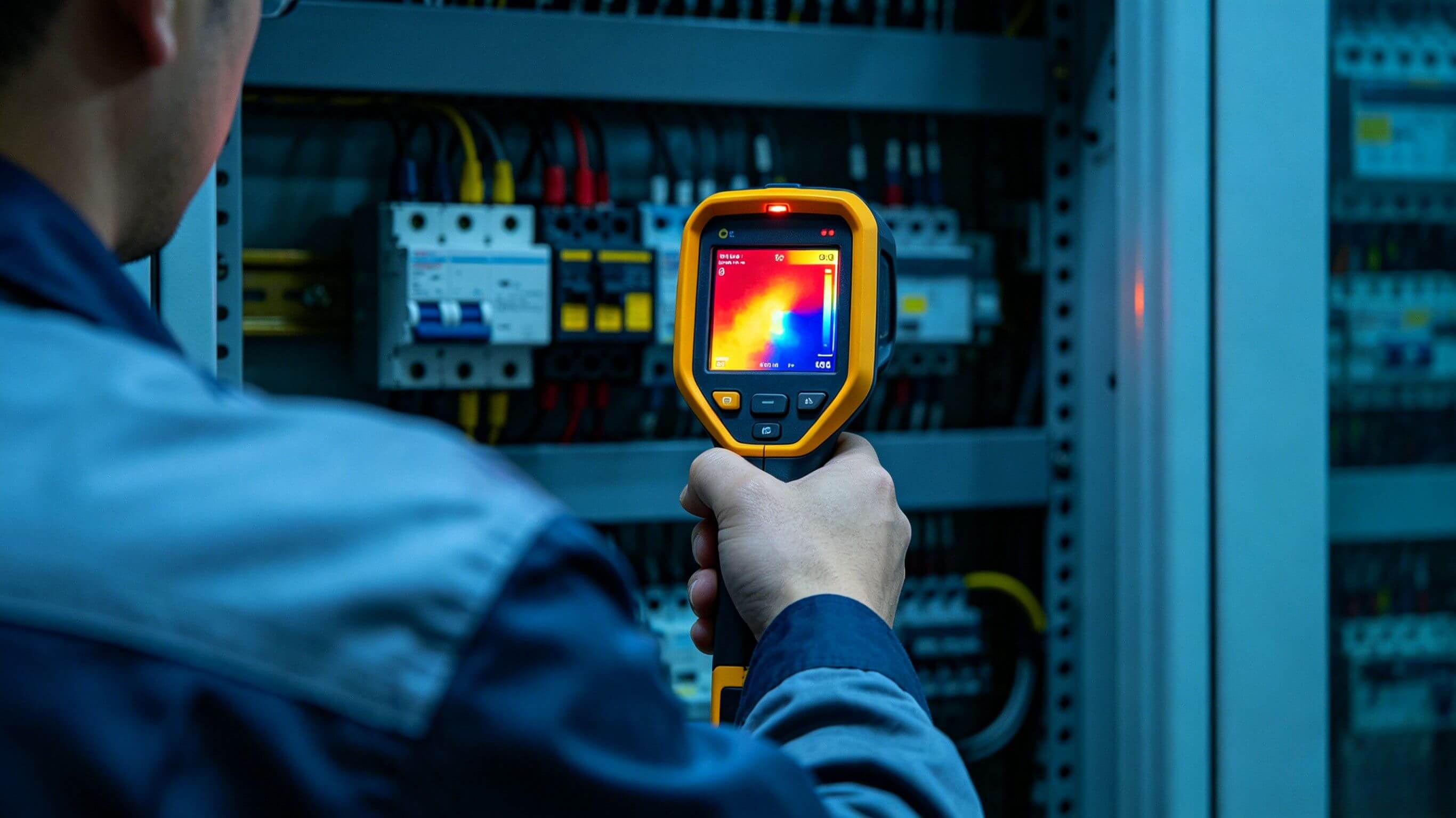
- Inspeccionar periódicamente, limpiar las superficies de contacto y reapretar los terminales flojos.
- Evitar la sobrecarga prolongada del circuito y prevenir la vibración y la erosión por entornos corrosivos.
Conclusión
El sobrecalentamiento de los terminales eléctricos y el mal contacto se deben principalmente a defectos de material, instalación no estándar y envejecimiento operativo. El uso de terminales de alta calidad, una construcción estandarizada y un mantenimiento regular pueden mejorar en gran medida la seguridad y estabilidad del sistema eléctrico, evitando tiempos de inactividad innecesarios y riesgos de incendio.
Categorías
último blog
 33#Building Huli Industrial Zones, Meixi Road, Xike Town, Tong'an Area, Xiamen,China


© Derechos de autor: 2026 Jiaxin (Xiamen) Precise Metal Co.,Ltd. Reservados todos los derechos

IPv6 red apoyada
Escanear a wechat

 español